
How to Choose the Right Glass Shower Enclosure for Your Home


Understanding Your Space
Before diving into styles and materials, it's crucial to assess the space available in your bathroom. Measure the area accurately to ensure the shower enclosure fits perfectly. Consider the placement of fixtures like the toilet and sink, as these will influence the type and size of the enclosure you choose.

Types of Glass Shower Enclosures
There are several types of shower enclosures to choose from, each with distinct benefits. Frameless enclosures offer a sleek, modern look with minimal metal hardware. Semi-frameless options provide a bit more structural support with some framing. Framed enclosures are more traditional and can be more budget-friendly.
Corner Enclosures
These are ideal for smaller bathrooms, utilizing corner space efficiently. They often come in quadrant, square, or rectangular shapes and can be a stylish solution for compact spaces.
Walk-in Showers
Walk-in showers are perfect for larger bathrooms, offering a luxurious feel. They provide easy access and can be customized with various features like benches and multiple shower heads.
Choosing the Right Glass
The type of glass you choose impacts the look and durability of your shower enclosure. Clear glass provides a clean, open feel, while frosted or textured glass offers more privacy. Consider tempered glass for safety, as it is designed to shatter into small, less harmful pieces.

Glass Thickness
Thicker glass, such as 10mm or 12mm, provides greater stability and a more premium feel. However, thinner glass options, like 6mm or 8mm, can be more cost-effective and still provide adequate durability.
Hardware and Finishes
The hardware you select can enhance the overall design of your shower enclosure. Options include chrome, brushed nickel, and matte black finishes. Ensure that the hardware matches other fixtures in your bathroom for a cohesive look.
Installation Considerations
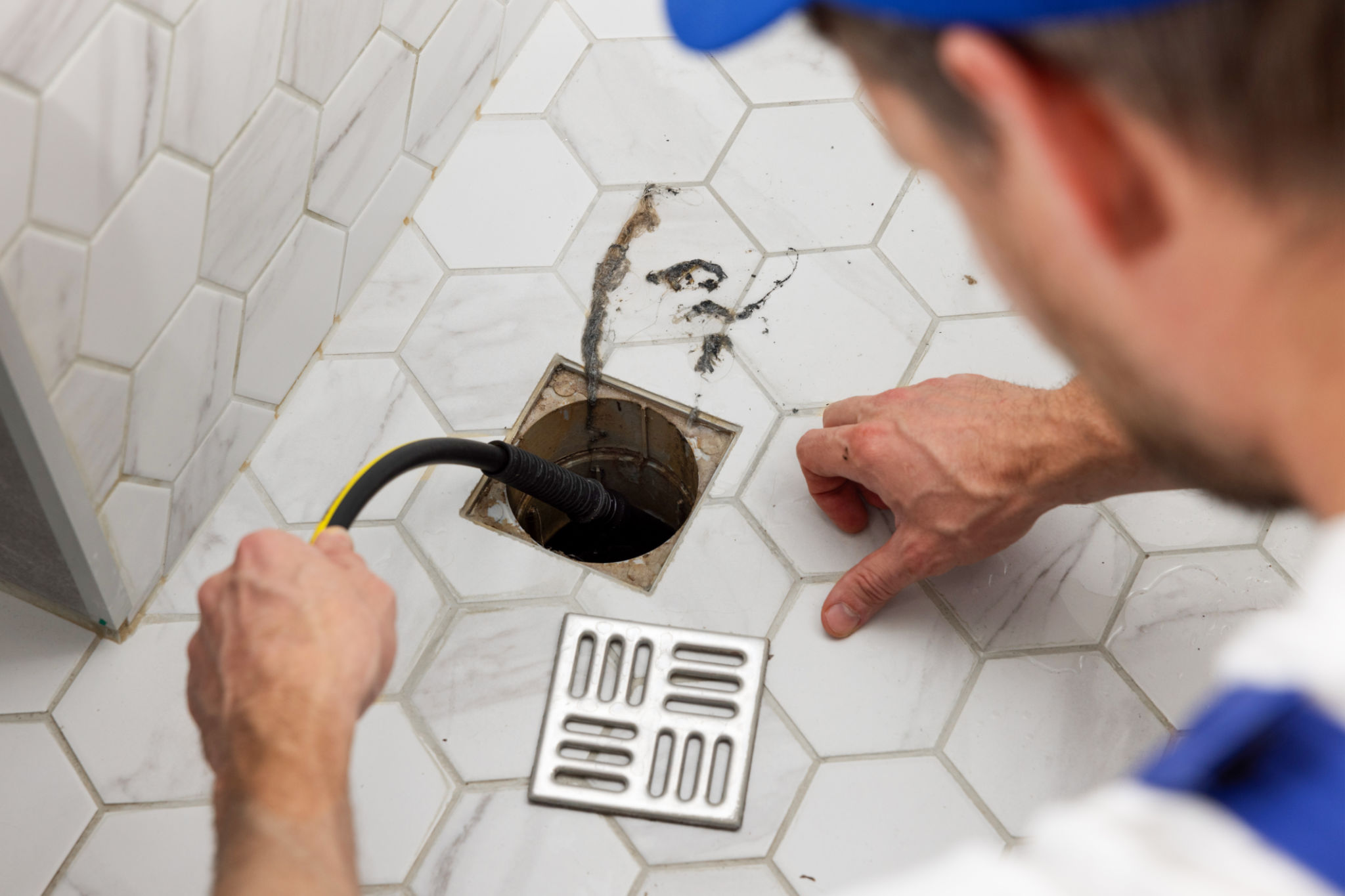
Deciding whether to install the shower enclosure yourself or hire a professional is another important step. Professional installation can ensure a perfect fit and waterproof seal, while DIY installation may save on costs but requires a good level of expertise.
Budget and Maintenance
Finally, consider your budget and the level of maintenance required. Frameless enclosures may require more frequent cleaning to prevent water spots, whereas framed options might be easier to maintain. Weigh the initial investment against long-term upkeep when making your decision.